Achieving Restful Slumber: Tips for a Perfect Night's Sleep
1/17/20264 min read
Sleepless Nights During Menopause: What Actually Helps When You Just Need Sleep
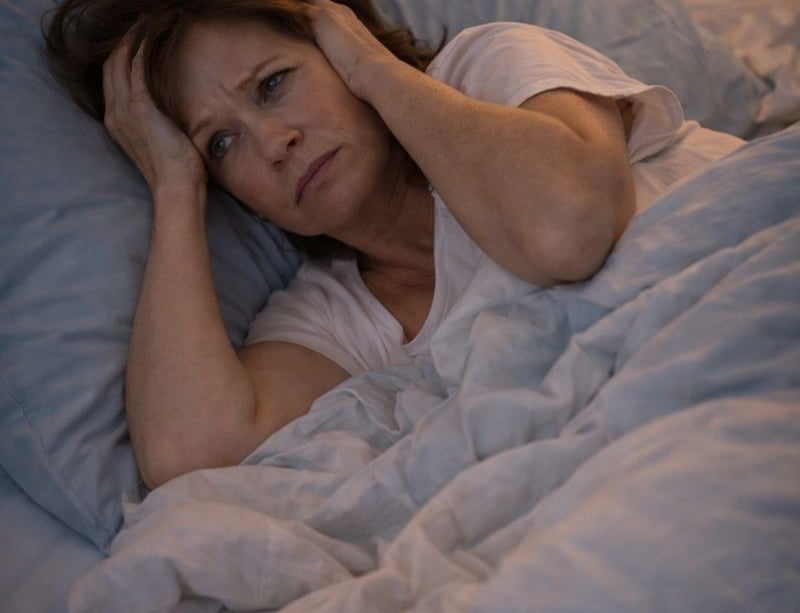
If you’re reading this in the middle of the night — wide awake, overheated, frustrated, and exhausted — I want you to hear this first:
You’re not alone. And you’re not doing anything wrong.
Sleepless nights are one of the most common (and most draining) parts of perimenopause and menopause. Hormonal changes can throw off body temperature, disrupt sleep cycles, and make it feel impossible to get comfortable. Add racing thoughts or night sweats into the mix, and suddenly sleep feels completely out of reach.
If it’s late and you just want to know what might help tonight, start here.
If You’re Awake Right Now, Try This First
You don’t need to fix everything tonight. Focus on comfort.
Quick things that can help right now:
Lower the room temperature a few degrees
Switch to the lightest, most breathable bedding you have
Run gentle airflow and background sound
Block out as much light as possible
Play calming sleep sounds
Even small changes can help your body settle enough to rest.
Once you’re comfortable — or if you’re reading this during the day — here’s why these things matter and what’s genuinely helped me.
Why Sleep Feels So Hard During Menopause
Menopause changes how your body regulates temperature and responds to stress. Hot flashes, night sweats, and general restlessness are incredibly common — and they don’t exactly invite deep sleep.
What makes this especially frustrating is how unpredictable it can feel. One night you sleep fine. The next night you’re awake at 2 a.m., flipping pillows, kicking off blankets, and wondering why your body won’t cooperate.
That’s why I always start with the sleep environment. When your body is already working overtime, your bedroom should support you — not fight you.
Creating a Sleep-Friendly Space That Actually Helps
1. Keep the Room Cool — and the Air Comfortable
Temperature matters more than most people realize, especially during menopause.
Many sleep experts recommend somewhere around 60–67°F, but the real goal is creating an environment where your body doesn’t feel trapped or overheated. Even small adjustments can help your nervous system relax.
One thing that’s completely non-negotiable for me at night is running an air purifier with airflow.
Here’s why it helps:
It provides gentle, steady white noise
It keeps the air feeling fresh, not stale or dry
It creates light airflow that helps with overheating
It makes the room feel calmer and more breathable
I run it every single night. My sleep is noticeably worse when I don’t.
This one tool supports temperature, sound, and air quality all at once.
2. Block Out Light (More Than You Think)
Light tells your brain it’s time to be awake — even light you don’t consciously notice.
Streetlights, early morning sun, hallway light… all of it can quietly interrupt sleep. Blackout curtains were something I didn’t think would matter much until I tried them.
They help:
Keep the room darker
Reduce early wake-ups
Support a cooler sleep environment
You don’t need anything fancy — just something that blocks more light than regular curtains.
These really have made a difference in my sleep.
Cooling Sheets & Bedding (A Real Game Changer for Me)
This one deserves honesty.
Cooling sheets and comforters aren’t cheap, and I waited a long time before buying them. I debated, read reviews, and talked myself out of it more than once. But once I finally tried them — they were a game changer.
What I noticed immediately:
They feel cool to the touch with just enough weight for comfort
They don’t trap heat
They feel lighter and more breathable
I stopped waking up as often to throw the covers off
They don’t fix menopause — but they remove one huge barrier to sleep: overheating. If sleep is your biggest struggle right now, this is one of the fastest changes you can make.
These are the BEST things I have purchased in this whole process that has made a dramatic difference. I can't believe I let myself struggle for so long without them. You are WORTH the investment!
Use Sound to Calm the Nervous System. Total silence doesn’t always help — especially if your thoughts race or outside noise wakes you up.
Consistent, gentle sound can be incredibly calming. For me, the air purifier provides steady background noise, and I’ll often layer in soft sleep sounds as well.
This is where YouTube can be a real support tool. I use calming sleep videos — sometimes quietly in the background — to help signal to my body that it’s safe to rest.
The goal isn’t distraction. It’s creating a predictable, soothing environment your nervous system recognizes.
Before You Crawl Back Into Bed
If sleep has been hard lately, it doesn’t mean you’re broken. It means your body is navigating change — and it’s asking for support, not pressure.
Tonight, aim for comfort, not perfection.
Lower the heat. Lighten the bedding. Run calming airflow. Play soft sound. Let your body rest where it can.
Creating a supportive sleep space is step one. Next comes helping your body wind down — and that’s where simple evening routines and calming habits really help.
(That’s exactly what I’ll talk about next.)
Final Thought
Menopause can make sleep feel unpredictable and exhausting — but small, thoughtful changes really do add up. You don’t need to overhaul everything. Start with what brings the quickest relief.
You deserve rest. Even on the hard nights.

Some links on this site are affiliate links, which means I may earn a small commission at no extra cost to you. I only share things I genuinely use and find helpful.
Finding Calm and Cool @2025